Amsterdam is often marketed as a city of bikes, busy streets and long wandering days, but the truth is that it can also be one of the most enjoyable European cities to visit at a slower, more comfortable pace. If you are a mature traveller, travelling with limited mobility, recovering from injury, or simply someone who prefers not to clock up 25,000 steps a day, Amsterdam can still be a brilliant choice. The key is planning your days differently.
The first thing to understand is that Amsterdam is very compact. Unlike many major European capitals, the historic centre is relatively small. That means you can see a lot without constantly changing neighbourhoods or navigating complicated transport systems. If comfort is a priority, choosing the right accommodation makes the biggest difference. Staying in or close to the Canal Belt, Jordaan, or near Museumplein reduces the need for long commutes. Being within a short, flat walk of cafés, shops and public transport means you can explore in short bursts and return to your hotel easily for a rest.
Walking in Amsterdam is generally manageable because the city is flat. There are no steep hills to contend with, which immediately makes it easier than many other European destinations. However, the cobbled streets and uneven canal edges can be tiring underfoot. Comfortable footwear is essential, and pacing yourself is far more important than trying to “do it all” in one day. A morning outing followed by a relaxed lunch and a quieter afternoon works far better than packing multiple attractions back to back.
Public transport in Amsterdam is straightforward and reliable. Trams connect most of the main visitor areas and stop frequently, meaning you are rarely far from one. The trams are modern and generally accessible, making them a good option if longer walks are difficult. Taxis and ride-share services are also easy to use, and because distances are short, fares within the city centre are not excessive. If cycling feels intimidating, there is absolutely no need to join the bike traffic. Many visitors feel pressure to cycle because it is part of the city’s image, but exploring on foot and by tram is perfectly normal.
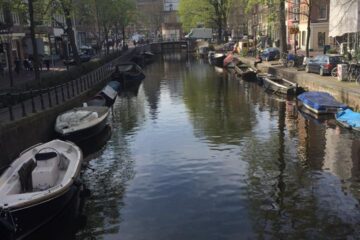
When it comes to sightseeing, Amsterdam suits slower travel beautifully. One of the most comfortable ways to experience the city is by canal cruise. Sitting back for an hour while gliding through the UNESCO-listed Canal Belt gives you history, architecture and atmosphere without any physical effort. It is an ideal first-day activity because it provides a clear sense of layout and orientation. Glass-roof boats protect you from wind and rain, and commentary explains what you are seeing, so you do not need to rely on constant walking tours.
Museums in Amsterdam are world class and surprisingly manageable if you plan carefully. The Rijksmuseum and the Van Gogh Museum are large, but both have lifts, seating areas and cafés inside. Booking timed entry tickets in advance prevents long waits. Arriving early in the morning or later in the afternoon can make the experience quieter and more relaxed. The Anne Frank House is more physically demanding due to its historic staircases, so it is important to consider whether narrow, steep steps will be comfortable. If not, there are many other museums that provide equally meaningful experiences without those constraints.
Choosing neighbourhoods wisely also helps create a slower rhythm. Jordaan is charming and compact, filled with small galleries and traditional cafés where you can sit with coffee and watch the world go by. Museumplein offers wide open space and benches, with several major attractions within a small radius. The Nine Streets area provides boutique shopping without the overwhelming scale of larger shopping districts. Amsterdam Noord, reached by a short free ferry across the IJ, feels more spacious and less crowded, offering waterside restaurants and cultural spaces with a calmer atmosphere.
Food and café culture are part of what makes Amsterdam ideal for comfortable travel. Dutch cafés, known as brown cafés, are cosy and welcoming. They invite you to linger rather than rush. Taking time for coffee, apple tart or a leisurely lunch breaks up the day naturally. Restaurants tend to be relaxed rather than formal, and you will not feel hurried out the door. Booking dinner reservations slightly earlier in the evening can also make for a quieter, more pleasant experience.
Day trips from Amsterdam can also be adapted for comfort. Haarlem is only a short train journey away and has a compact, attractive centre that does not require extensive walking. Zaanse Schans offers traditional windmills and heritage buildings in a small, manageable area. Trains in the Netherlands are efficient and comfortable, and stations are generally well equipped with lifts and clear signage. Planning just one outing per day rather than stacking multiple stops keeps energy levels steady.
Weather is another factor to consider. Amsterdam’s climate is similar to Ireland’s but often windier. Dressing in layers and bringing a proper waterproof jacket prevents discomfort that can quickly drain energy. The city can feel cooler along the canals, so even in summer a light scarf or extra layer is wise. Visiting in late spring or early autumn often provides milder temperatures and fewer crowds than peak summer months, making movement through the city easier.
One of the most important mindset shifts when travelling at a slower pace is letting go of the idea that you must see everything. Amsterdam rewards lingering. Sitting beside a canal with a coffee, watching boats pass, can be just as memorable as ticking off a list of attractions. Shorter sightseeing windows combined with rest periods create a far more enjoyable experience than pushing through fatigue. Hotels with comfortable communal areas, or rooms with pleasant views, become part of the enjoyment rather than just a place to sleep.
Accessibility in Amsterdam has greatly improved over the years, though older buildings naturally present some limitations. Many newer hotels have lifts, but traditional canal houses often have steep staircases. Checking this detail before booking avoids surprises. Restaurants and museums generally have accessible entrances, but it is worth confirming specific requirements in advance if mobility aids are involved.
Ultimately, Amsterdam works beautifully for mature travellers or those who prefer a gentler approach because it is compact, flat and full of experiences that do not require physical exertion. Canal cruises, café culture, manageable museum visits and short scenic walks create a satisfying trip without exhaustion. By staying centrally, using trams strategically, pacing your days and embracing a slower rhythm, you can experience the very best of the city in comfort. Amsterdam does not demand speed. In fact, some of its greatest pleasures reveal themselves when you take your time.